Install once
A durable in-line device with no routine device consumables.
The current U.S. pilot cohort is focused on replicating the JR East-style in-field evaluation in qualifying high-traffic facilities with commercial urinals.
BeLife is designed as a passive in-line system: no filters, cartridges, treatment chemicals, or scheduled device servicing. Normal plumbing inspections and site-specific maintenance requirements still apply.
A durable in-line device with no routine device consumables.
Engineered flow geometry; BeLife adds no treatment chemicals to the water.
Designed to operate passively without filter changes or scheduled device service.
Built around real operating environments
PUBLIC FACILITIESHOSPITALITYHEALTH & CARESPECIALTY CLEANINGFuji Keiki's CORE WITH HOLES negative-pressure design introduces rotation and pressure change in the water flow. The family spans U.S. nominal sizes NPS 1/2 through NPS 3, corresponding to Fuji Keiki's 15A through 80A model series.
Explore product & models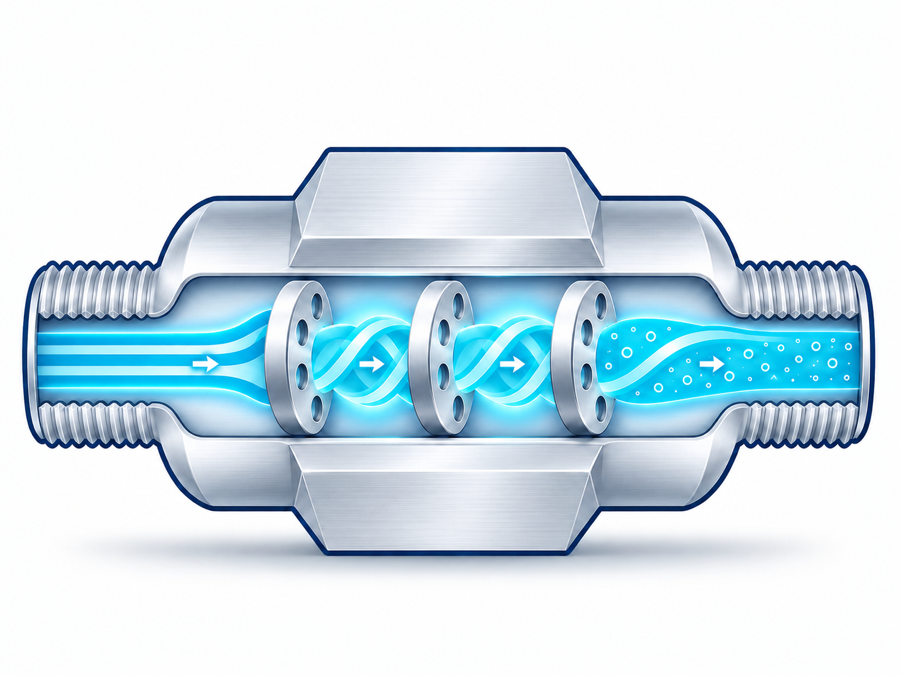
Conceptual illustration based on Fuji Keiki's published CORE WITH HOLES negative-pressure principle. Not a dimensional engineering drawing.
Start with three controlled visual comparisons, then review quantitative results from separate, clearly identified test environments.
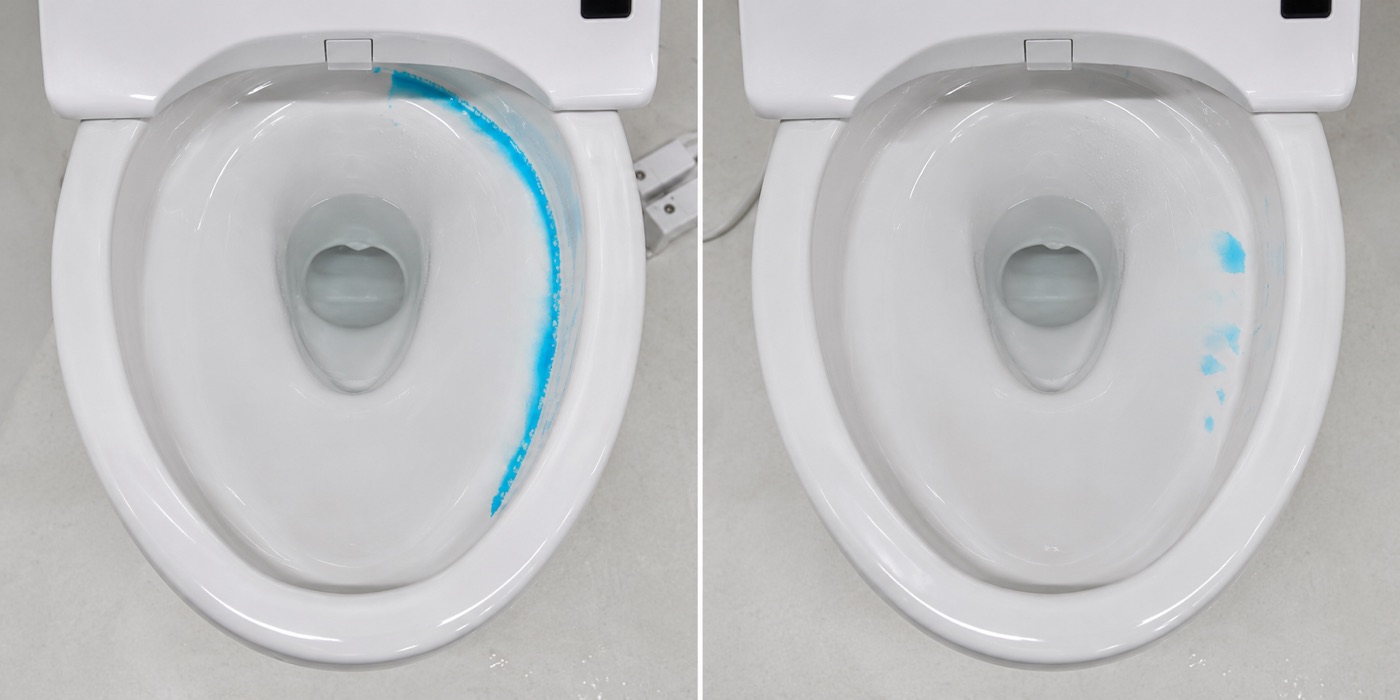
Blue food coloring and starch syrup were used as simulated soil before the fourth rinse was compared.
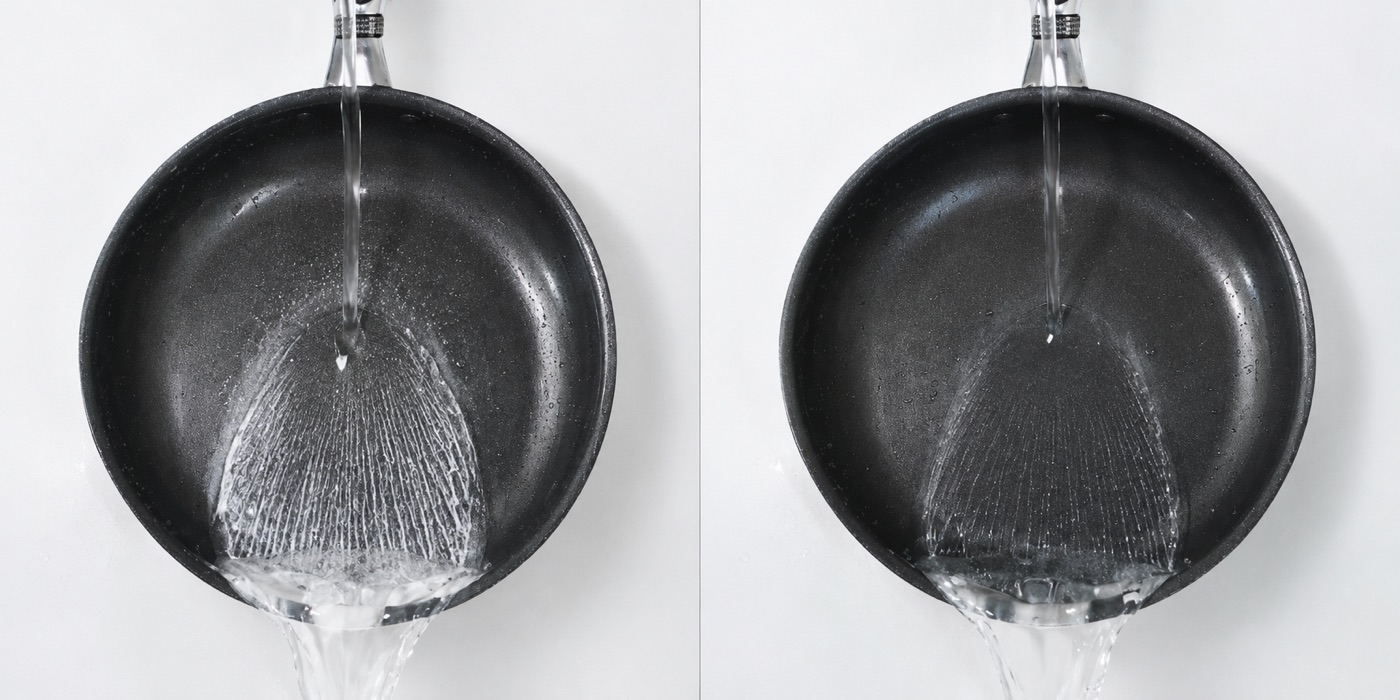
A prepared frying pan was rinsed for 30 seconds under the documented comparison conditions.
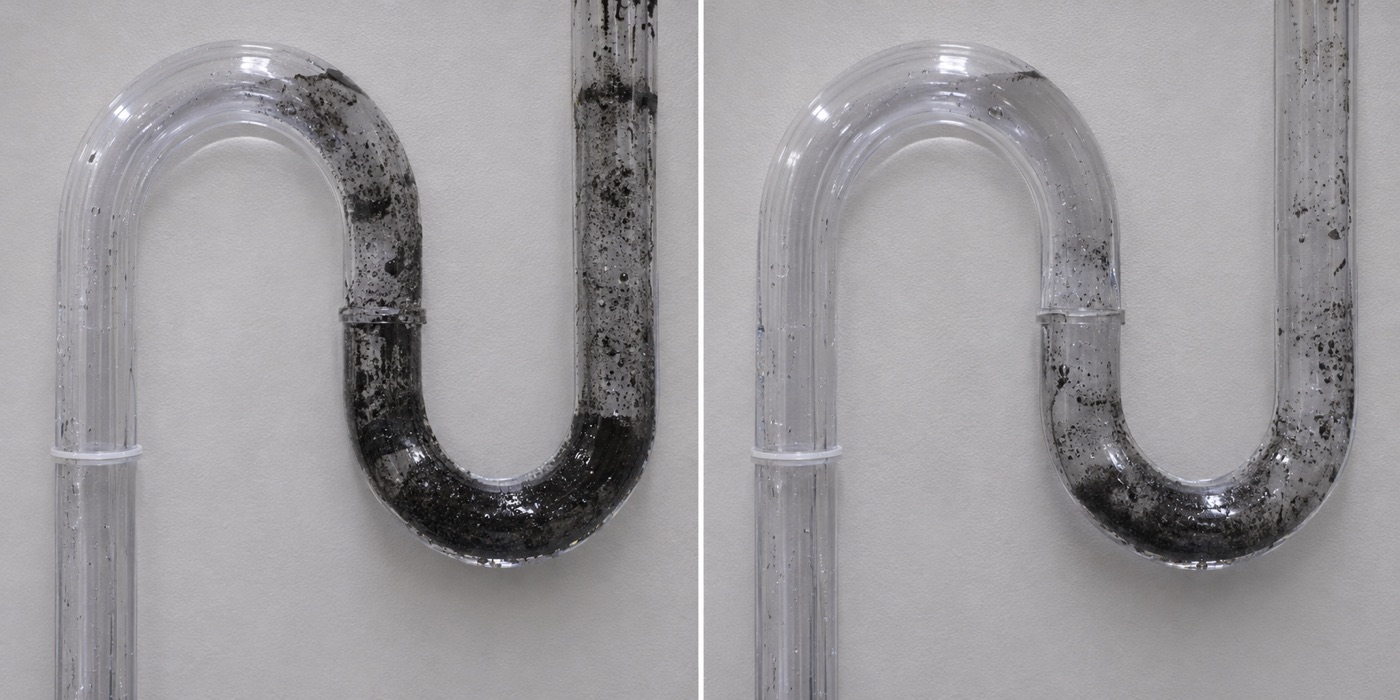
Black toner was used as simulated soil in transparent piping before a 60-second flow comparison.
Each result is presented with its own measure and evidence environment—not blended with the visual comparisons or the JR East field study.
Tap water reduced measured ammonia concentration by 34.1%; BeLife water reduced it by 74.2%. This is not the JR East field result.
Five-test average simulated-ammonia odor removal. Reported remaining concentration: 23.8 ppm with tap water and 8.0 ppm with BeLife water.
Tap water is normalized to 100. BeLife's reported residual index was 49 after 10 minutes and 31 after 30 minutes—51% and 69% lower.
Published test-specific moisture-change values. The precise instrument scale and complete calculation remain pending from Fuji Keiki.
See how one BeLife installation served five station-restroom fixtures—and what the documented study reported.
Read the full case studyNamed in connection with the documented 55-day station-restroom study.
The installation point defines the downstream scope. A qualified professional confirms line size, pressure, flow, space, and local requirements.
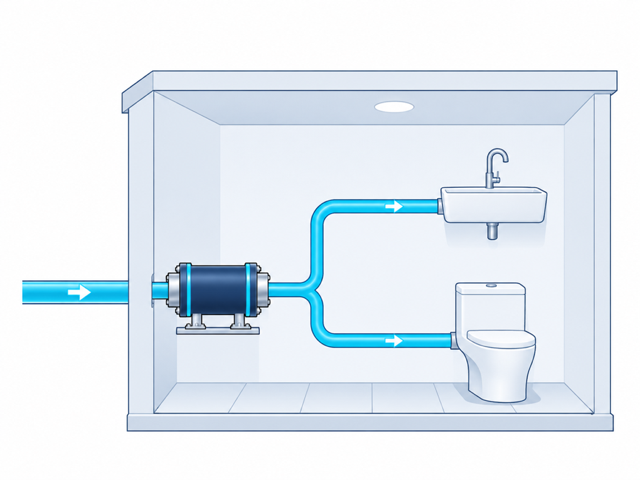
Install on the branch serving a defined restroom, laundry area, treatment room, or specialty cleaning zone.
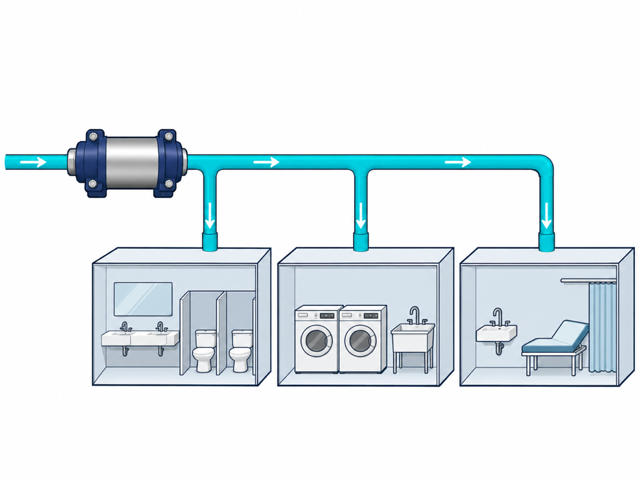
Treat the water distributed to a department, floor, restroom bank, or operational area from one accessible line.
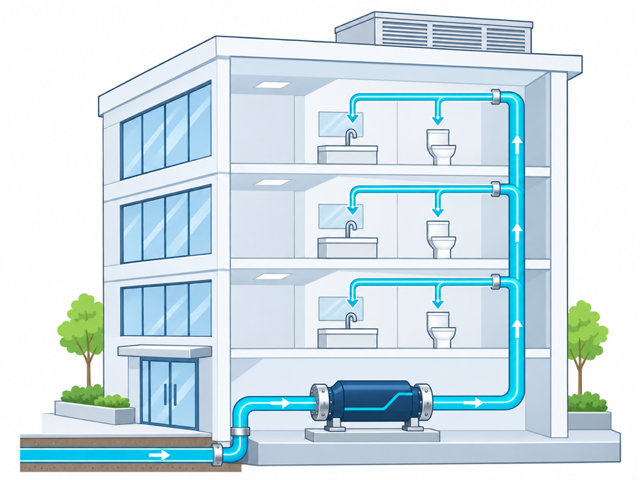
Position at the appropriate building entry point so downstream outlets receive water that has passed through BeLife.
From public facilities to industrial processes, each pilot begins with a defined water line and a measurable operating question.
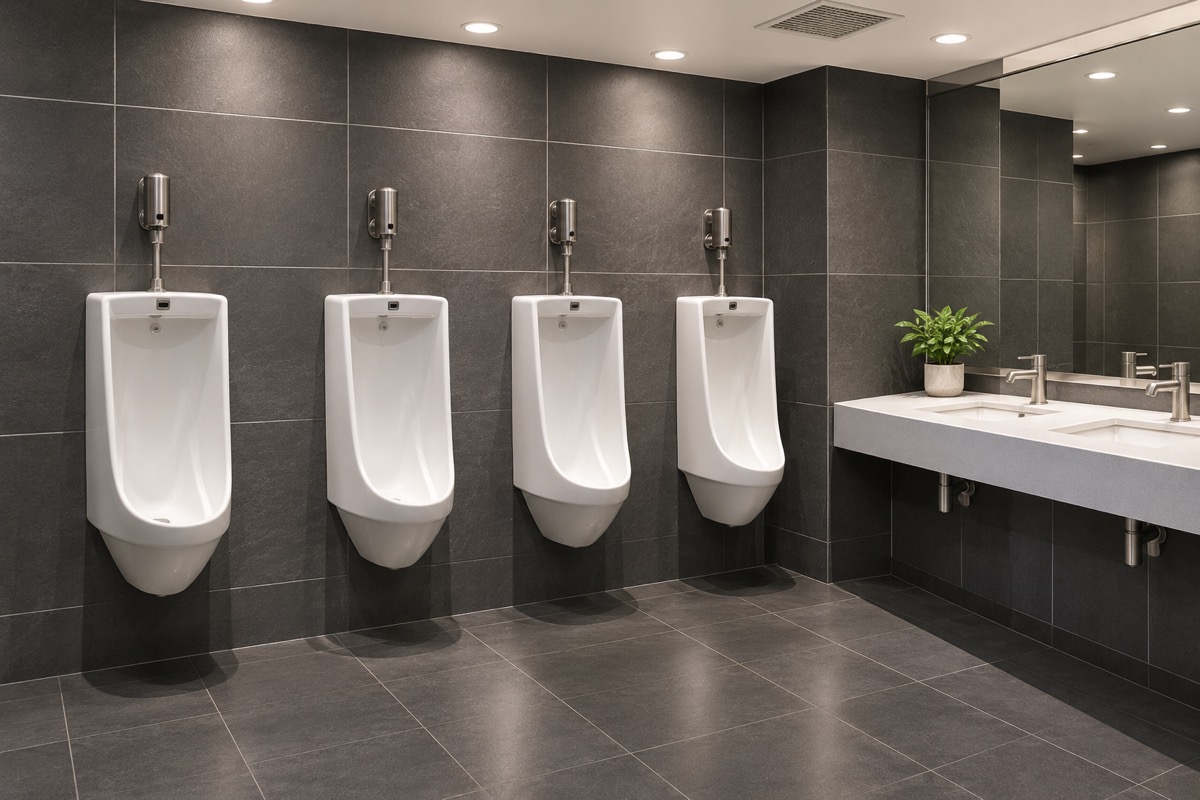
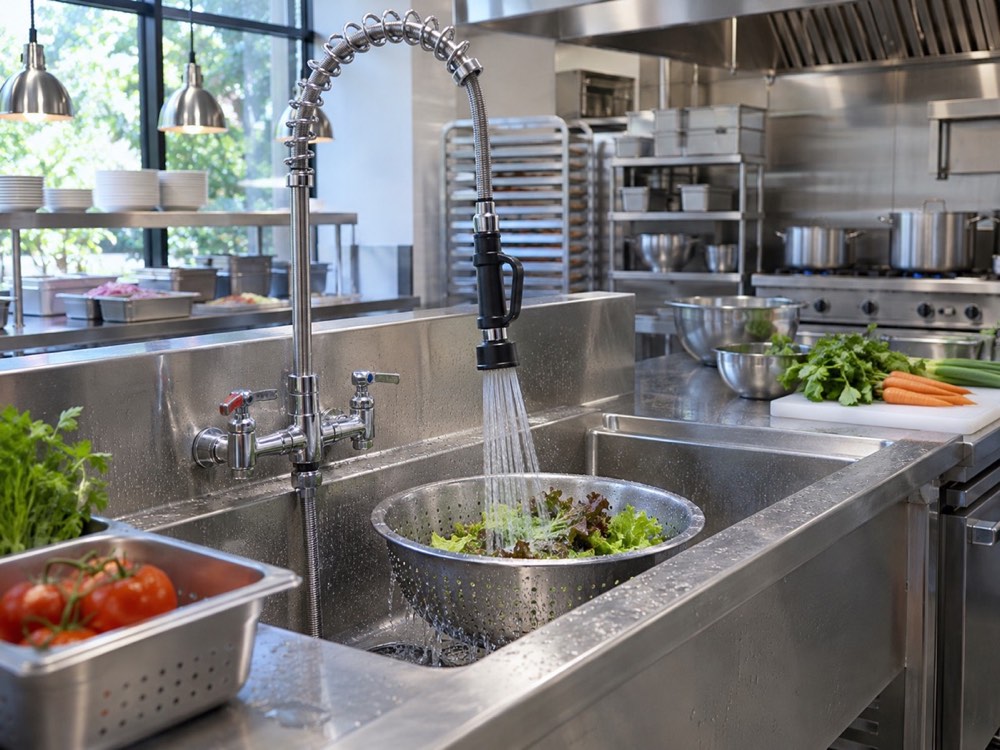
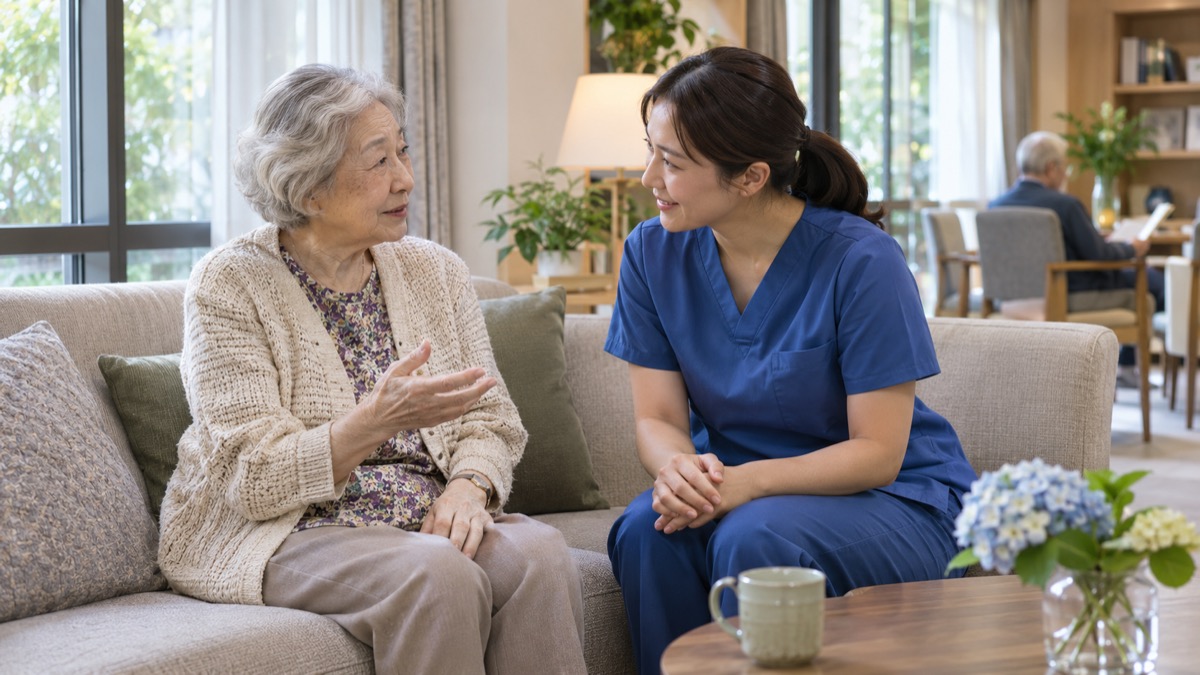
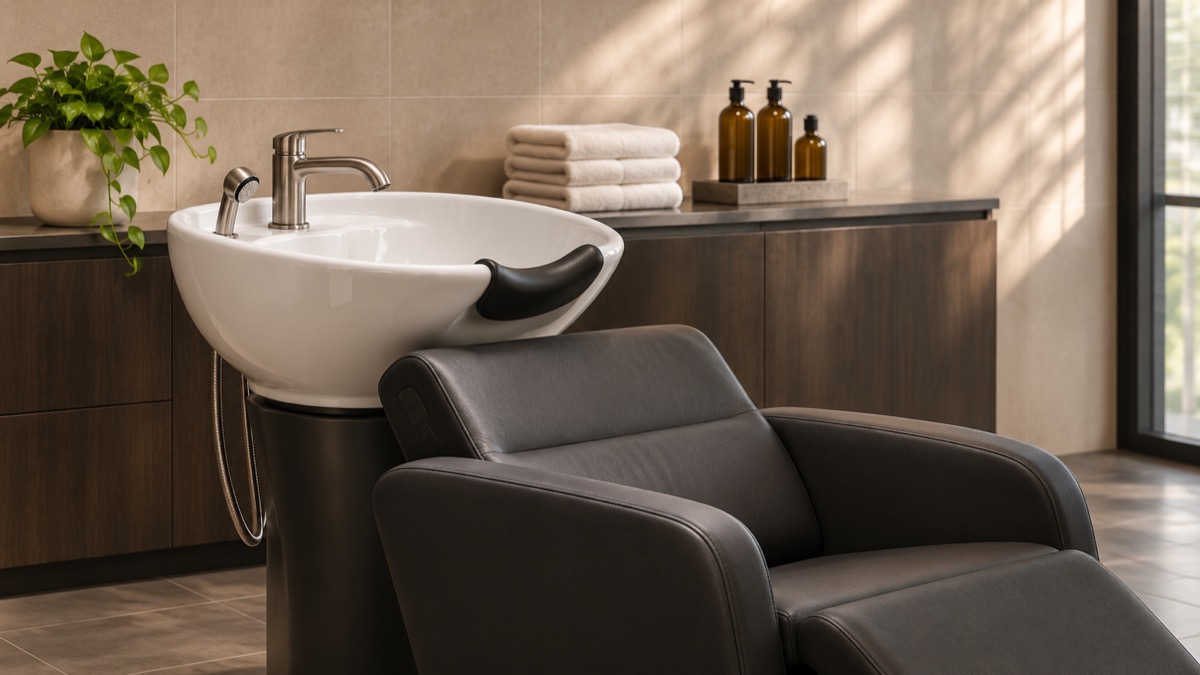

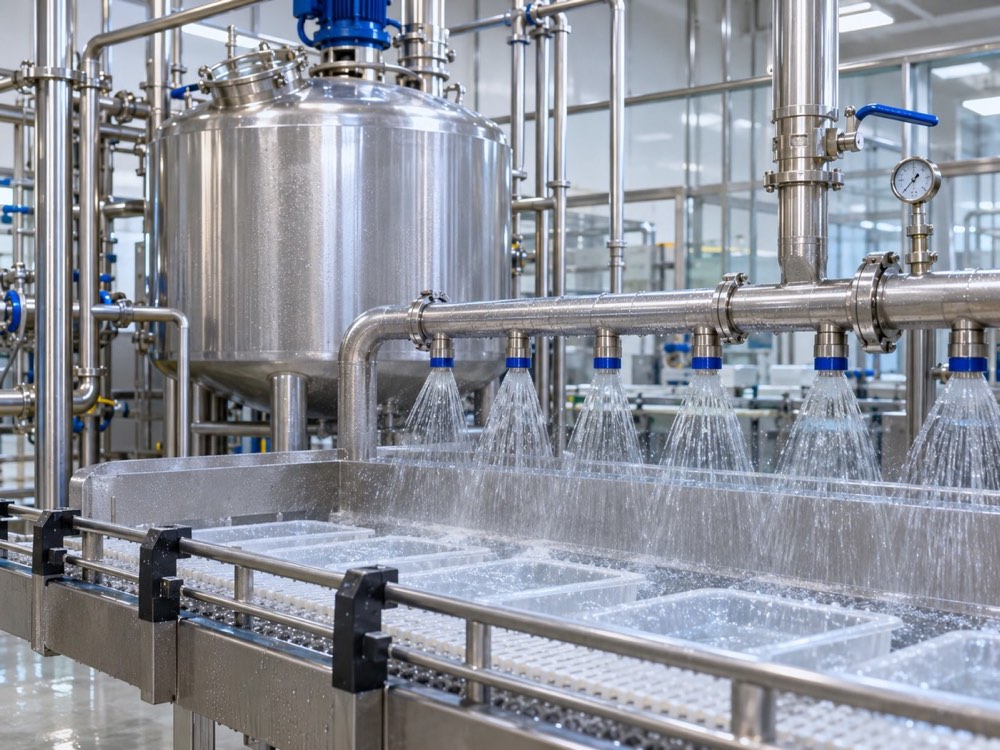
The BeLife family is designed for different line conditions—from localized plumbing to broader facility mains. Final U.S. fit is confirmed through a technical assessment.
Compare models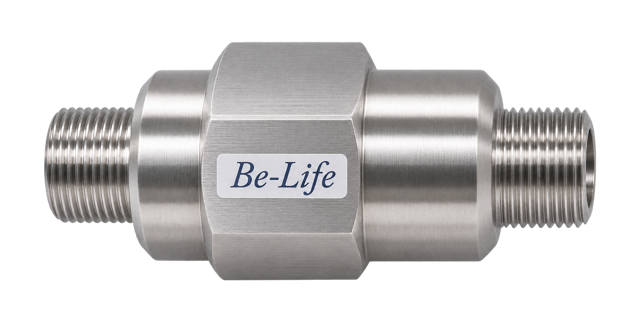
Fuji Keiki provides the equipment. The selected partner covers qualified plumbing labor and keeps the system.
Register for the current urinal pilot, future cohorts, another application trial, or a partnership conversation.